For Start Up Brand,If you’ve ever dealt with high return rates, customer complaints about “uncomfortable fit,” or negative reviews mentioning pressure points and gaps, you already know the problem. Most brand owners assume the issue is lens quality or fogging. But data tells a different story: poor fit is the #1 reason customers return ski goggles.
As a manufacturer, we’ve analyzed hundreds of return cases across multiple brands. This article breaks down exactly why fit matters more than most buyers realize — and how to get it right before you place your first order.
Why “One Size Fits All” Is the Fastest Way to Kill Your Brand
Many new brands assume that if they copy a popular frame shape, it will fit most people. That assumption is expensive.
1.The Diversity of Facial Structures Across Markets
Western vs. Asian face shapes
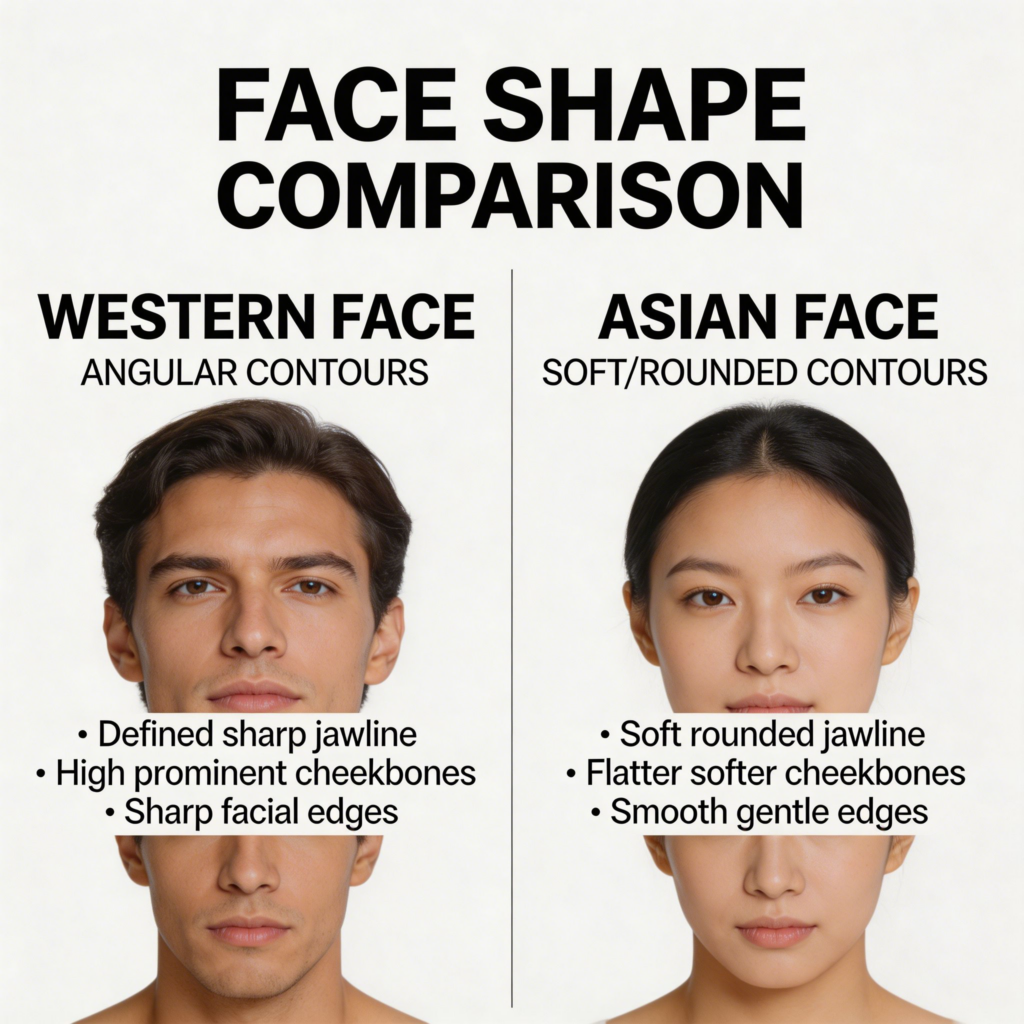
The most obvious difference: Western faces tend to have higher nose bridges and deeper-set eyes, while Asian faces typically have lower nose bridges and flatter cheekbones. A goggle designed for one market will often fail in the other, leaving visible gaps or uncomfortable pressure.
Even within the same region, variation is huge
There’s no “standard” face. Factors like cheekbone height, forehead slope, and temple width vary significantly. A goggle that fits 70% of users in one country might only fit 40% in another.
2. The Real Cost of Poor Fit
Returns and exchanges
Every return eats into your margin. When the issue is fit, you’re not just losing shipping costs — you’re also dealing with damaged packaging, restocking labor, and the risk of the product being unsellable.
Brand reputation damage
A customer who returns goggles because “they didn’t fit right” may not blame their face shape. They’ll blame your brand. And they’ll tell others. One bad fit experience can cost you dozens of potential sales.
The Anatomy of a Well-Fitted Ski Goggle: What to Look For
When evaluating a goggle’s fit — whether it’s an existing design or a new prototype — there are specific engineering details that determine success or failure.
1.Frame Geometry: The Foundation of Fit
Curvature radius
The frame’s horizontal curve needs to match the natural curvature of the human face. Too flat, and you get gaps at the temples. Too curved, and you get pressure at the center. The optimal curvature varies by target market.
Nose bridge area design
This is the most critical zone. A well-designed goggle offers adjustable nose padding or a sculpted bridge that accommodates different nose heights. Rigid, non-adjustable nose areas are the #1 cause of fit complaints.
2.Foam System: More Than Just Comfort
Three-layer foam structure
The best-fitting goggles use multi-density foam: a firm outer layer for structure, a soft middle layer for cushioning, and a plush inner layer against the skin. This combination distributes pressure evenly and prevents hot spots.
Foam thickness variation
Different zones need different foam thickness. The cheek area requires more cushioning to accommodate movement during talking or smiling. The forehead area needs less, to keep the goggle positioned correctly.
3. Strap and Retention System
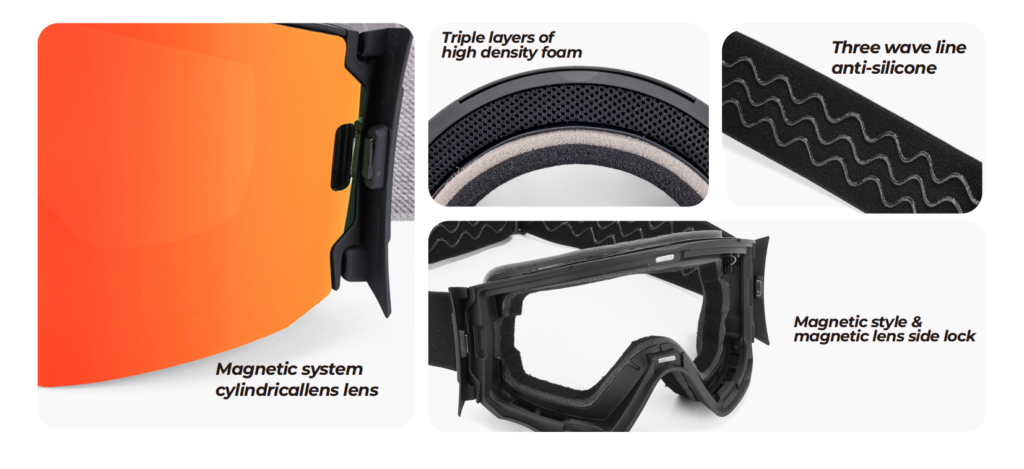
Silicone grip strips
A goggle that slides down the helmet is a goggle that doesn’t fit. Wide silicone strips on the inside of the strap prevent slipping without requiring excessive tension.
Strap adjustment mechanism
Dual adjustment points (both sides) allow for precise tensioning. Single-side adjustments often create uneven pressure. The adjustment buckles should be easy to operate with gloves on — a detail that signals thoughtful design.
The Helmet-Goggle Interface: A Non-Negotiable Compatibility Check
Even the most comfortable goggle becomes unusable if it doesn’t work with a helmet. For brand buyers, helmet compatibility is often overlooked until the customer complaints start rolling in.
1.Avoiding the “Gaper Gap”
What it is and why it matters
The “gaper gap” is the gap between the top of the goggle and the brim of the helmet. It’s not just an aesthetic issue — a gap allows cold air and snow to hit the forehead, causes fogging, and looks amateurish. Customers notice.
How to ensure compatibility
No goggle fits every helmet perfectly, but a well-designed frame with a low-profile top edge and a helmet-compatible strap will work with the majority. Offering different frame sizes (small/medium/large) is the most reliable solution.
2.Ventilation Alignment
Why helmet vents and goggle vents need to align
Many helmets have vents along the forehead. If the goggle’s top vent aligns with these, airflow is optimized for anti-fog performance. Misalignment can actually trap hot air, making fogging worse.
Testing with real helmets
Smart brand buyers test their goggles with at least 10 different helmet models from top-selling brands. If a goggle only fits one helmet line, you’re limiting your market.
How to Validate Fit Before Mass Production
Fit isn’t something you can fully assess from CAD drawings or 3D renders. Physical testing is essential. Here’s how experienced brands do it.
1. Customized dedicated myopic inserts(OTG)
This is the optimal solution.Myopia inserts can be custom made to match your prescription and ski goggle model through professional ski gear websites or physical stores.
The insert fits perfectly inside the goggles, forming an integrated structure that delivers an unobstructed field of vision with no pressure on the nose.Compared with wearing regular glasses under ski goggles, this setup is far more comfortable, and also avoids air leakage and fogging caused by eyeglass frames.
2. Select snow goggles compatible with frame glasses
If you prefer not to use custom prescription inserts, choose snow goggles specially designed for myopia sufferers.They offer a larger inner space and lens-side perforated foam, allowing regular glasses to fit comfortably inside while ensuring a tight seal and reducing air leakage.
Important note: Avoid wearing only contact lenses when skiing.Strong cold wind, snow splash, and high UV radiation on the slopes can irritate the cornea and increase the risk of eye discomfort or injury.
Tip: Avoid wearing contact lenses alone while skiing, as the cold wind, snowfall, and ultraviolet radiation at ski resorts may irritate the cornea and increase the risk of ocular discomfort.
Daily Maintenance of Snow goggles to Extend Service Life
The lenses and frames of snowglasses are prone to wear and tear. Proper protection and storage methods can prevent scratches on the lenses and aging of the straps, ensuring that snowglasses remain in optimal condition over the long term.
Fit Testing Panels
Diversity matters
A proper test panel should include a range of face shapes, genders, and ethnicities. If your manufacturer only tests on local staff, you’re getting incomplete data. We recommend panels of 20–30 testers that reflect your target market.
Structured feedback
Don’t just ask “does it fit?”. Ask specific questions: Is there pressure at the temples? Does the nose area seal completely? Does the goggle shift when you turn your head? Structured feedback produces actionable insights.
Helmet Compatibility Audits
Create a helmet library
Before approving a design, test it against a library of popular helmet models. Document gaps, alignment issues, and strap performance. This data becomes a powerful selling point — you can confidently tell buyers which helmets your goggles work with.
Real-world wear testing
Lab tests are useful, but nothing replaces hours of actual skiing. Have testers wear the goggles for full days and report on comfort after 4, 6, and 8 hours. Some issues only appear after extended wear.
Common Fit Mistakes That Cost Brands Thousands
Over the years, we’ve seen brand buyers repeat the same mistakes. Avoiding these will save you time, money, and returns.
1.Prioritizing Aesthetics Over Ergonomics
The “cool-looking frame” trap
It’s tempting to choose a frame design purely because it looks distinctive or trendy. But if the shape doesn’t follow facial anatomy, you’ll end up with a product that looks great on a shelf but feels terrible on a face. Form should follow function — especially in a performance category like ski goggles.
2.Skipping Prototype Fit Testing
The cost of assuming
Some brands go straight from CAD to mass production to save time. This is gambling. A single prototype round costs a fraction of what you’ll lose in returns and damaged reputation if the fit is wrong. Always, always test.
3.Using Low-Quality Foam to Save Costs
False economy
Cheap foam compresses permanently after a few weeks of use. What started as a comfortable fit becomes loose and gappy. Customers may not know why the goggle suddenly doesn’t fit well — they just know they don’t trust your brand anymore. Investing in quality foam is investing in customer retention.
What Your Manufacturer Should Be Able to Offer
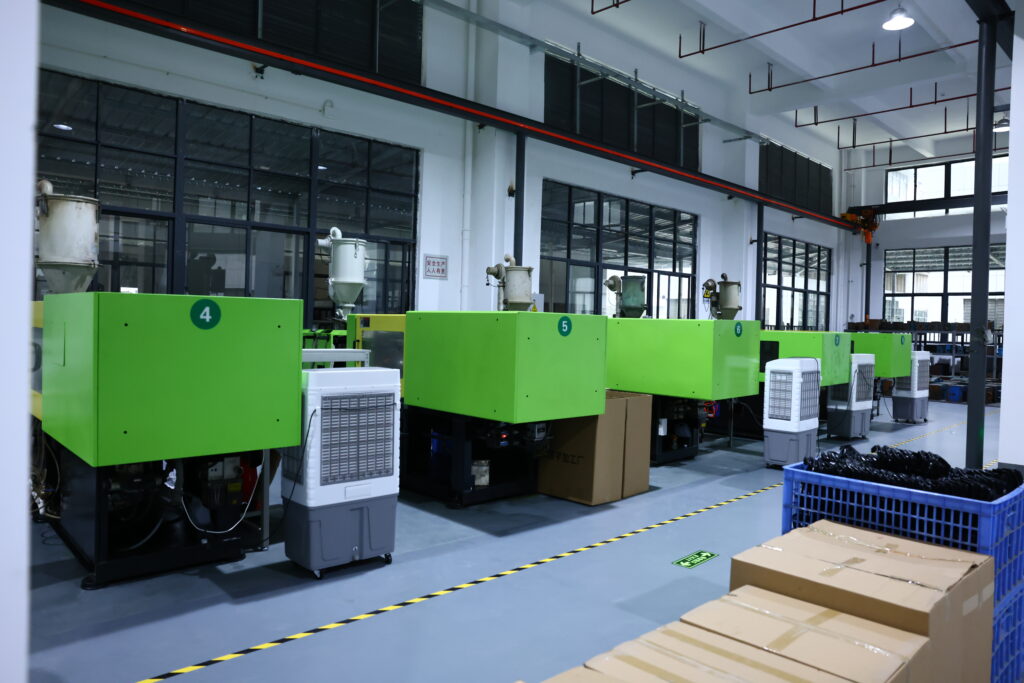
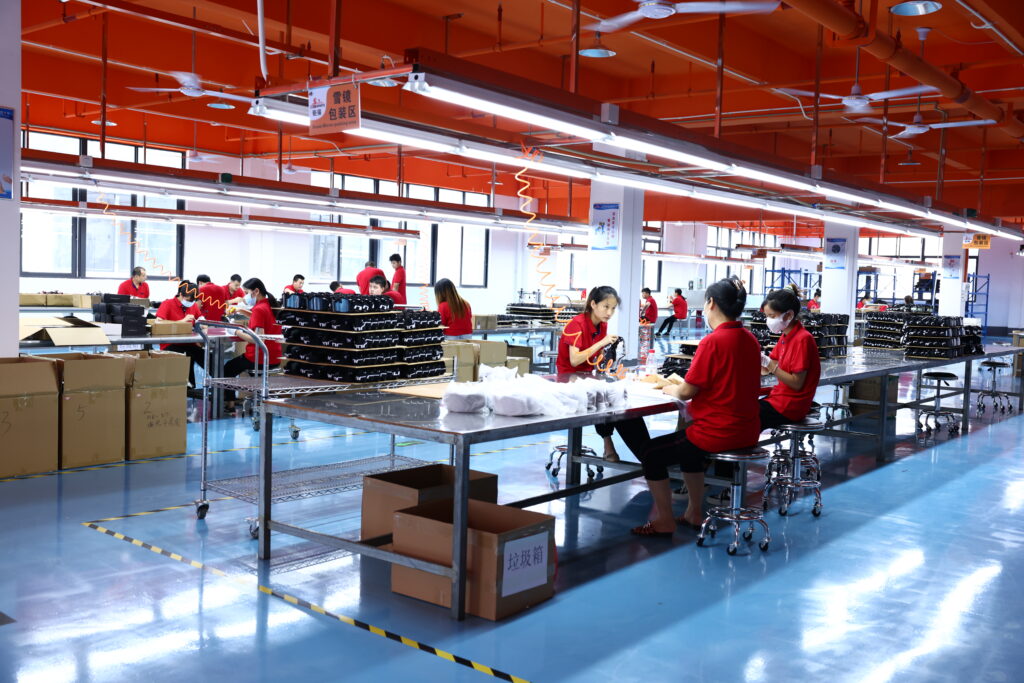
If you’re sourcing ski goggles, your manufacturing partner should be more than just a factory — they should be a fit expert. Here’s what to ask for.
Multiple Frame Size Options
Small/medium/large
The simplest way to solve fit issues is offering size options. A manufacturer who only offers one size is limiting your market potential. Look for partners who can produce different frame dimensions without requiring entirely new molds for each size.
Customizable Foam Configurations
Foam density and thickness adjustments
Not all markets need the same foam. Warmer regions may require more breathable foam; colder regions need denser insulation. A good manufacturer can tune the foam system to your target conditions.
Fit Testing Support
Pre-production validation
Experienced manufacturers offer fit testing as part of their development process. They have panels, helmet libraries, and structured feedback systems. If your supplier doesn’t offer this, you’re flying blind.
Conclusion: Fit Is the Foundation of Customer Satisfaction
For ski goggles, fit isn’t a secondary feature — it’s the foundation. A goggle with the most advanced lens technology will still fail if it doesn’t fit comfortably and securely. For brand buyers, investing time in fit validation before production is one of the highest-ROI decisions you can make.
At Hubo Sports, we’ve helped dozens of brands develop goggles that fit right — the first time. From frame geometry optimization to multi-density foam systems and helmet compatibility testing, we treat fit as the engineering challenge it deserves to be.
If you’re developing a ski goggle line and want to avoid fit-related returns, let’s talk. We’ll show you how our process ensures your goggles fit your market — not just a mannequin.
Looking for a manufacturing partner who understands fit? Contact us to discuss your next ski goggle project.