In the world of professional athletes and outdoor enthusiasts, vision stands as the unsung hero of peak performance. Whether you’re navigating fast cycling descents, spotting trout beneath shimmering river water, or carving down sun-drenched ski slopes, visual clarity directly shapes every split-second decision you make.
With multiple optical solutions on the market, polarized lenses have become essential gear for committed athletes. But how do polarized lenses actually function, and what real, measurable benefits do they bring to sporting performance?
Beyond Shading: The Mechanics of Light Control
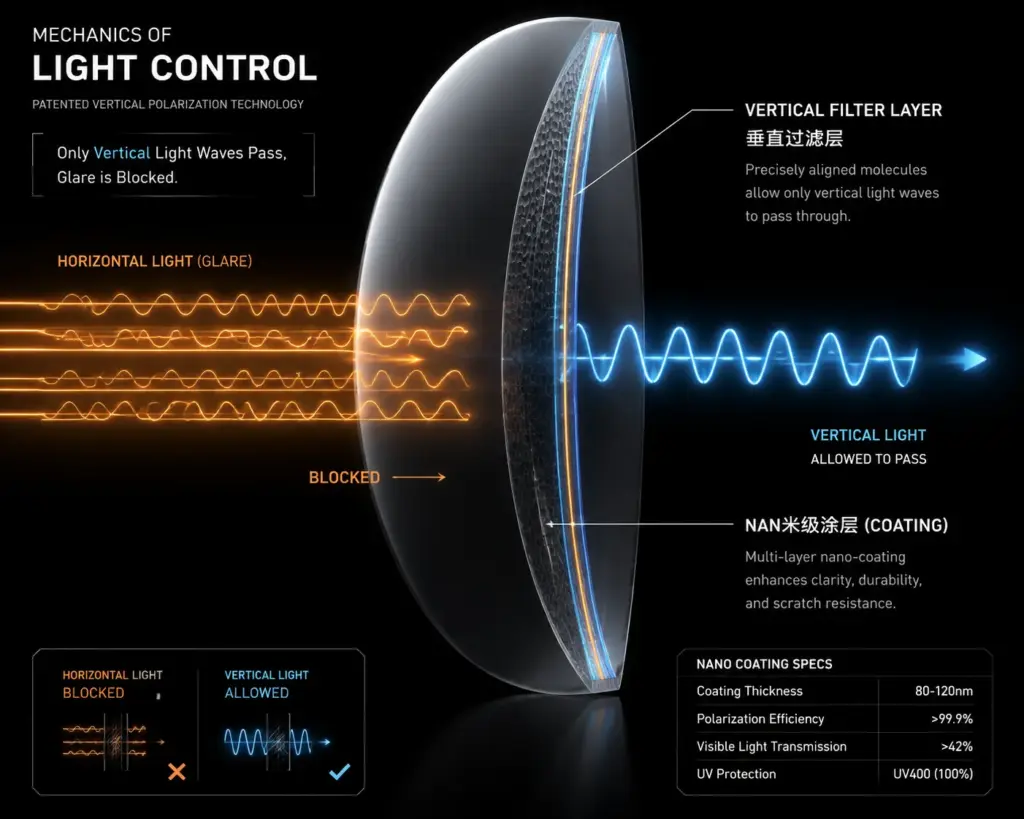
Glare isn’t just bright light; it’s light that has reflected off a flat surface—like a wet road, open water, or a snowpack—and become horizontally concentrated. This is the white, blinding light that washes out detail and forces your eyes to work overtime.
Polarized lenses contain a vertical chemical filter. Think of it as a gate that only lets in useful vertical light while blocking the horizontal waves that cause glare. The result is a high-contrast view where you can actually see the texture of the road or the contours of the terrain.
The Performance Advantage
Visual Depth and Contrast
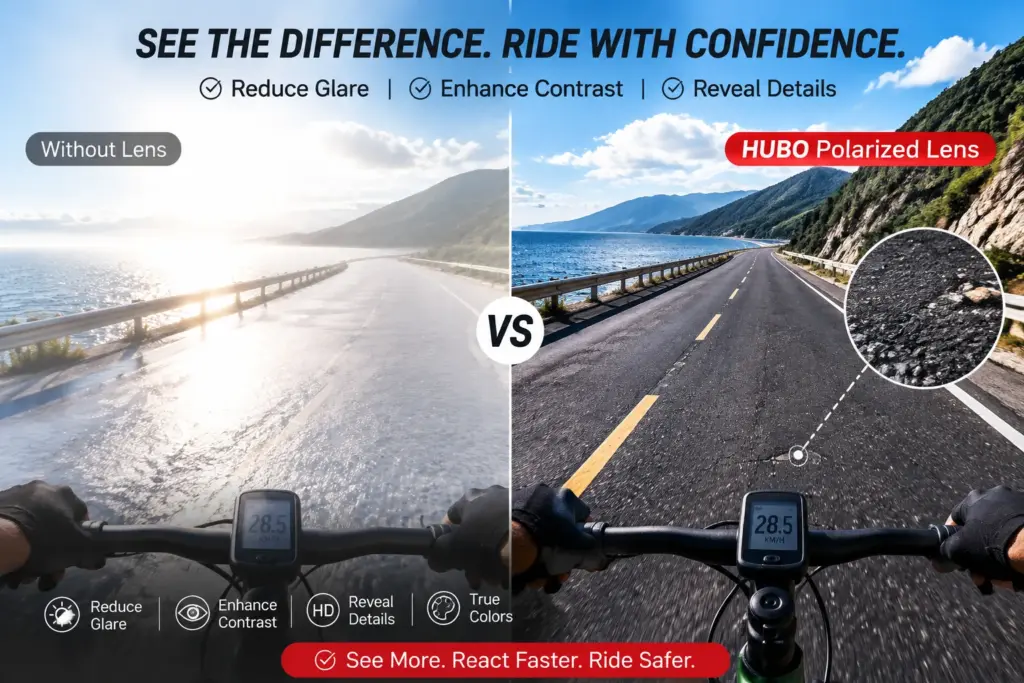
When you remove reflected light, colors become more saturated and edges sharper. For a mountain biker, this means spotting a root hidden in the shadows. For a skier, it’s identifying a ice patch before it’s under your feet. Improved contrast directly translates to better depth perception, helping you judge distance and speed more accurately.
Reducing Eye Fatigue
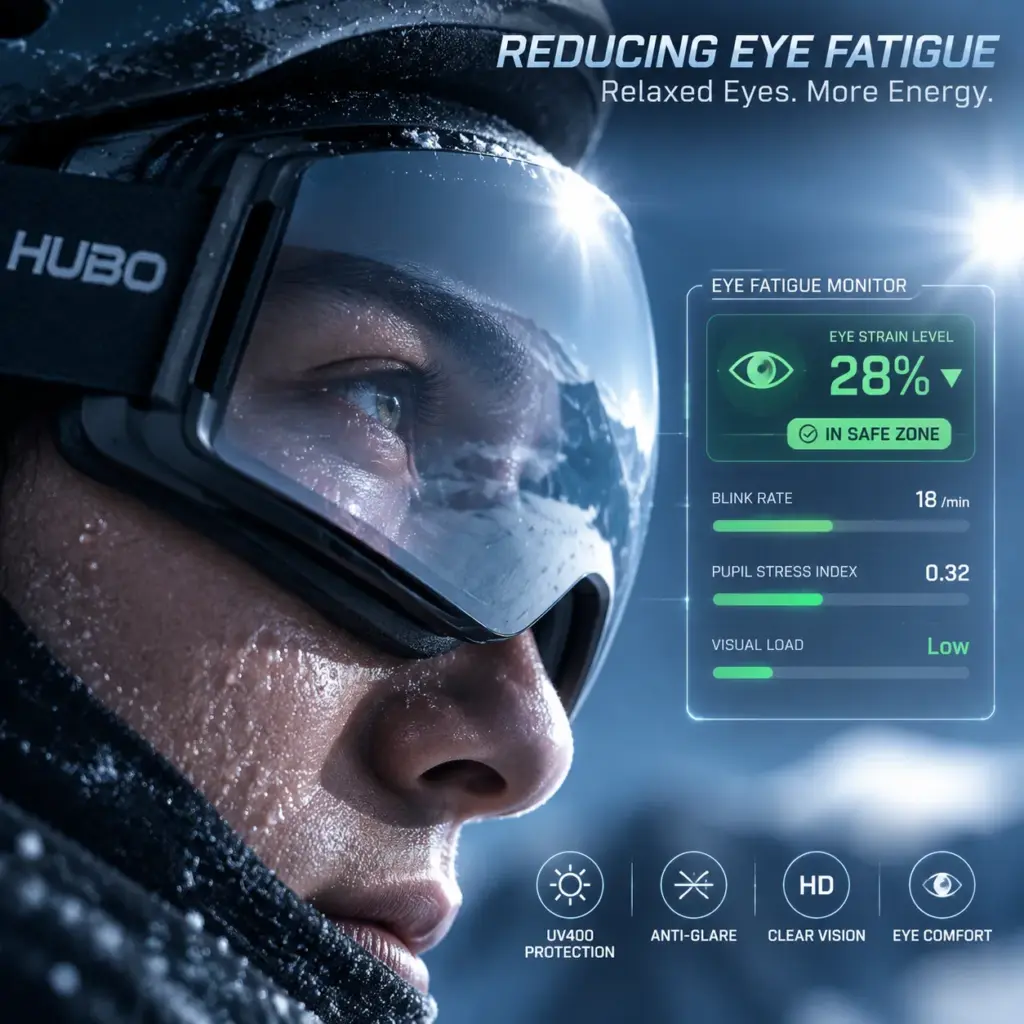
Eye strain is a hidden drain on athletic performance. Squinting for hours against reflections leads to headaches and mental fatigue. By allowing your eyes to remain relaxed, polarized lenses help conserve mental energy for the race itself. For endurance athletes, this energy conservation is often underestimated.
Faster Recognition
In sports, reaction time is everything. A 0.1-second delay in recognition can lead to an error or an accident. Because polarized lenses provide immediate clarity of obstacles (like a wet patch on a road or a hidden dip in the snow), they give you that extra split-second to adjust your line.
Sport-Specific Applications
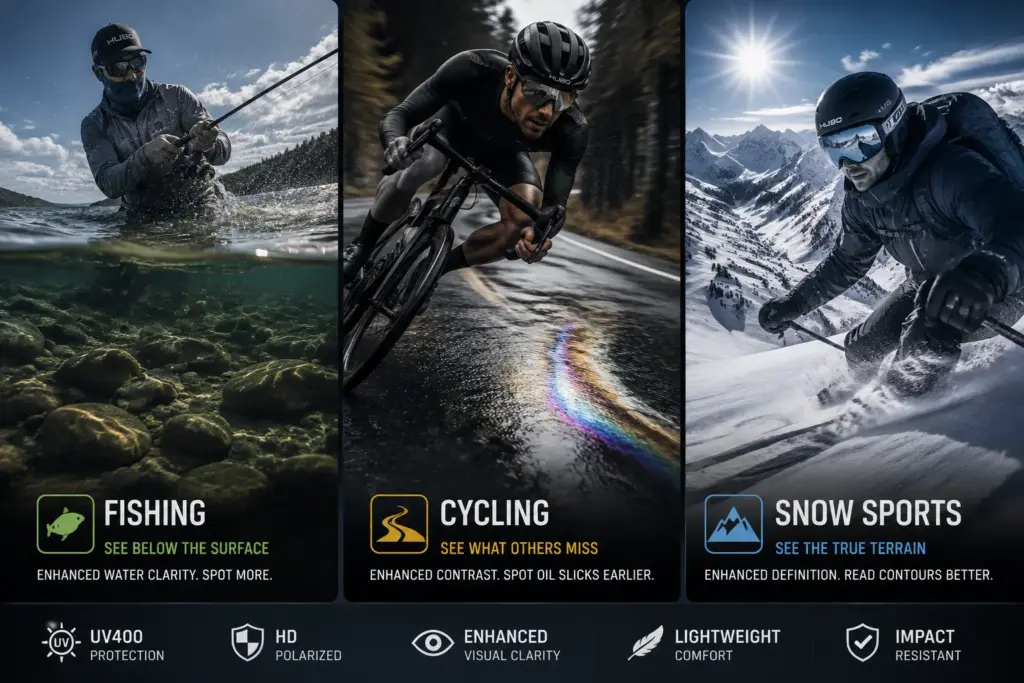
Fishing & Water Sports
- : Essential for seeing through the surface rather than just the sky’s reflection. It’s the difference between guessing where the fish are and actually tracking them.
Cycling & Road Running
- : Eliminates the “white road” effect on wet asphalt, making hazards like oil slicks or potholes visible even in harsh afternoon sun.
Skiing & Snowboarding
- : While some prefer non-polarized lenses for spotting ice in flat light, many athletes choose polarized goggles on high-glare days to manage the intense reflection from the snowpack.
The Technical Trade-offs
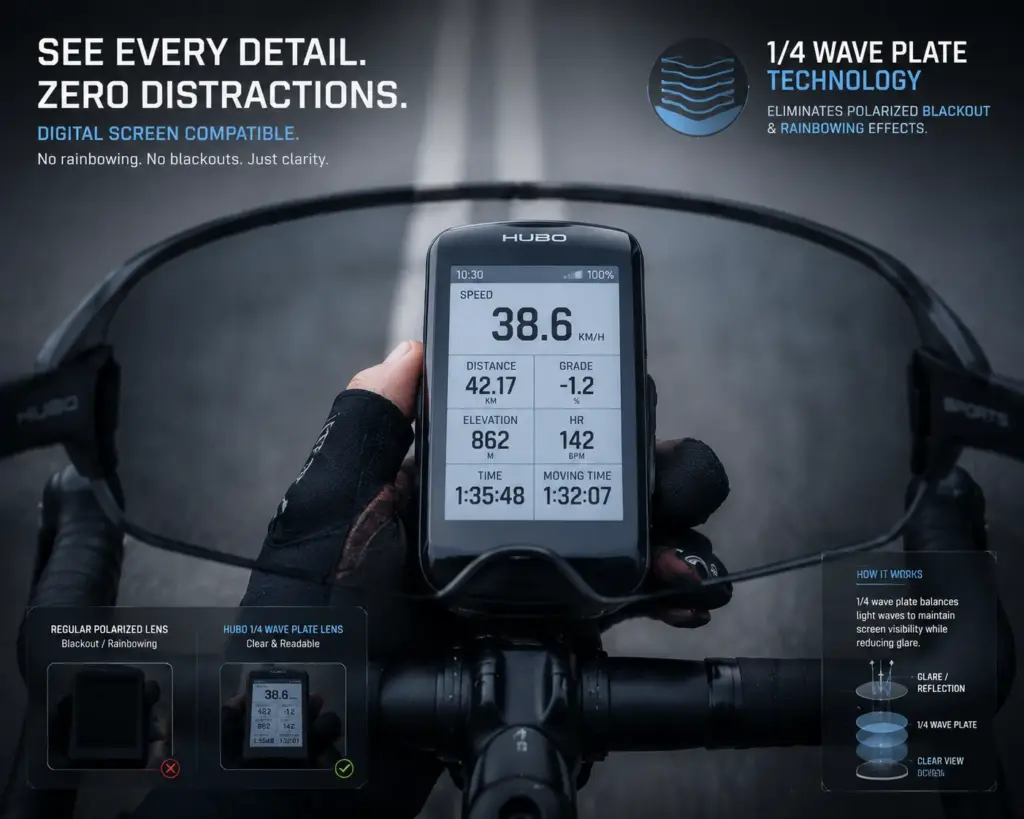
Polarization does have a few quirks. It can make LCD screens on older cycle computers or GPS units look dark at certain angles. However, modern high-end optics—like those we develop at HUBO Sports—often use specialized polarization layers to minimize this effect, ensuring compatibility with your digital gear.
Conclusion: Vision is a Tool
At the limit of performance, your equipment should never be the bottleneck. At HUBO Sports, we’ve spent 16 years refining our lens technology to ensure that when the intensity picks up, your sight remains absolute.