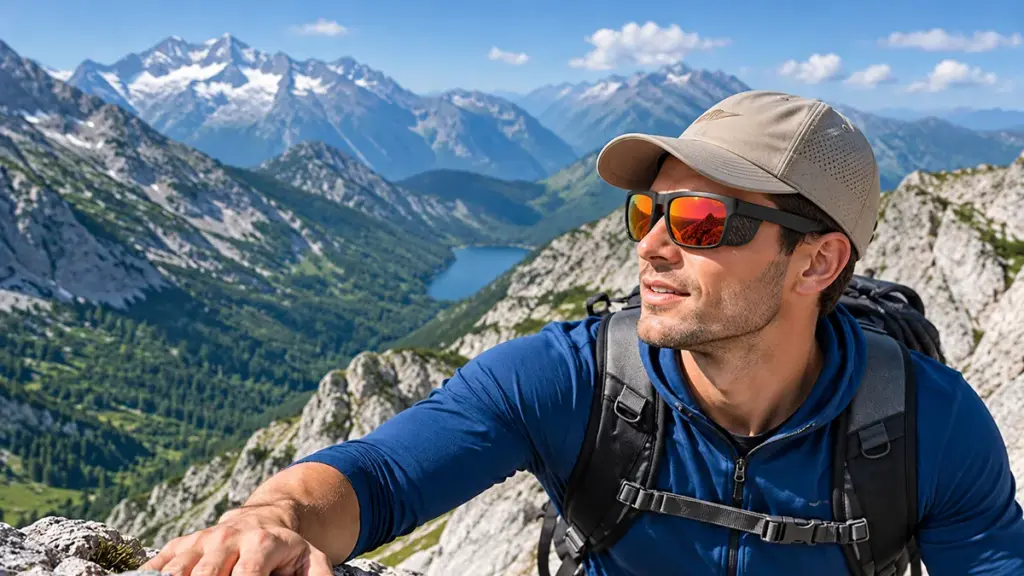
In backcountry skiing, ski touring, and high-altitude mountaineering, optical protection is not a cosmetic accessory—it is mission-critical survival gear. High alpine terrain exposes eyes to intense UV radiation that increases by 10% to 12% for every 1,000 meters of altitude, amplified by snow reflection rates exceeding 80% (source: WHO UV Radiation Research). Yet athletes and expedition teams consistently face an operational dilemma: should they wear glacier glasses or ski goggles?
For outdoor gear brands, private label distributors, and product developers, understanding this functional divergence is essential. Building a commercially successful alpine eyewear catalog requires designing each product for its exact biomechanical and environmental role. Below is the definitive engineering and sourcing comparison between glacier glasses and ski goggles.
What Are Glacier Glasses? High-Altitude Optical Defense
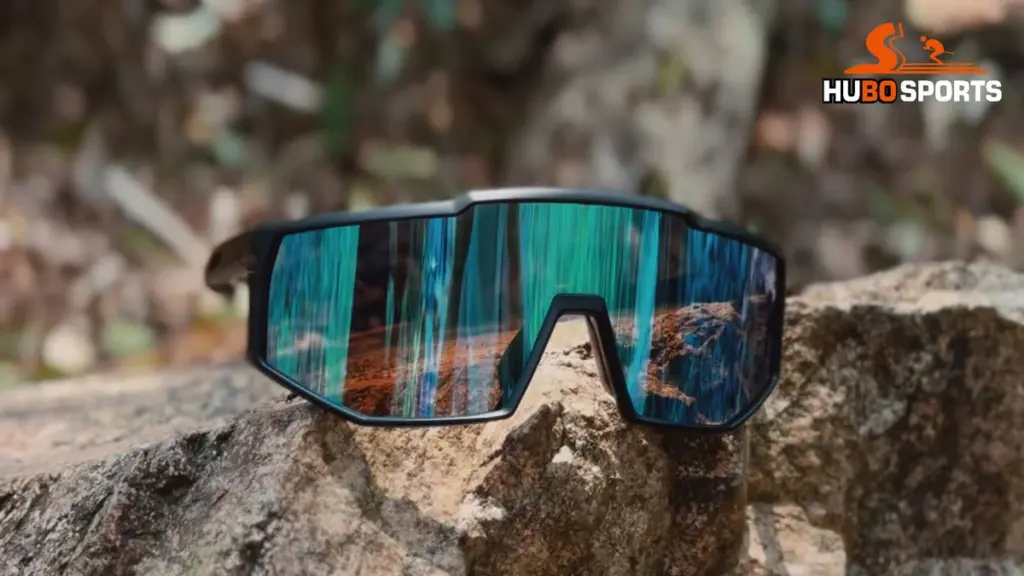
Glacier glasses (also known as alpine or mountaineering sunglasses) are specialized high-wrap eyewear engineered specifically for intense light, solar radiation, and reflective glacier travel. Discover our full line of custom sports sunglasses and alpine eyewear built for high-altitude endurance.
Key Functional Characteristics
- Category 4 Lenses (Very Low VLT): Standard sunglasses typically feature Category 2 or 3 lenses (15% to 40% Visible Light Transmission, or VLT). Professional glacier glasses utilize Category 4 lenses with a VLT between 3% and 8%, blocking up to 97% of visible light and 100% of UVA/UVB/UVC rays (UV400) according to ISO 12312-1 standards. (Note: Category 4 lenses are legally prohibited for driving due to extreme light attenuation.)
- Protective Side Shields: High-altitude glare does not just come from the front; oblique rays bounce off snowfields and lateral ice walls. Integrated leather, rubber, or magnetic TPU side shields eliminate lateral light leakage and reduce wind exposure. For multi-sport mountain endurance, see our polarized side-shield UV400 TR90 eyewear for trekking & cycling.
- Maximum Aeration & Sweat Management: Because glacier glasses rest off the face without a foam seal, ambient air flows continuously around the temples. This prevents overheating and lens fogging during high-exertion ascents.
- Lightweight Ergonomics: Weighing between 30g and 45g with adjustable temple tips and anti-slip rubber nose bridges, they remain comfortable during multi-hour ascents.

What Are Ski Goggles? Total Environmental Enclosure
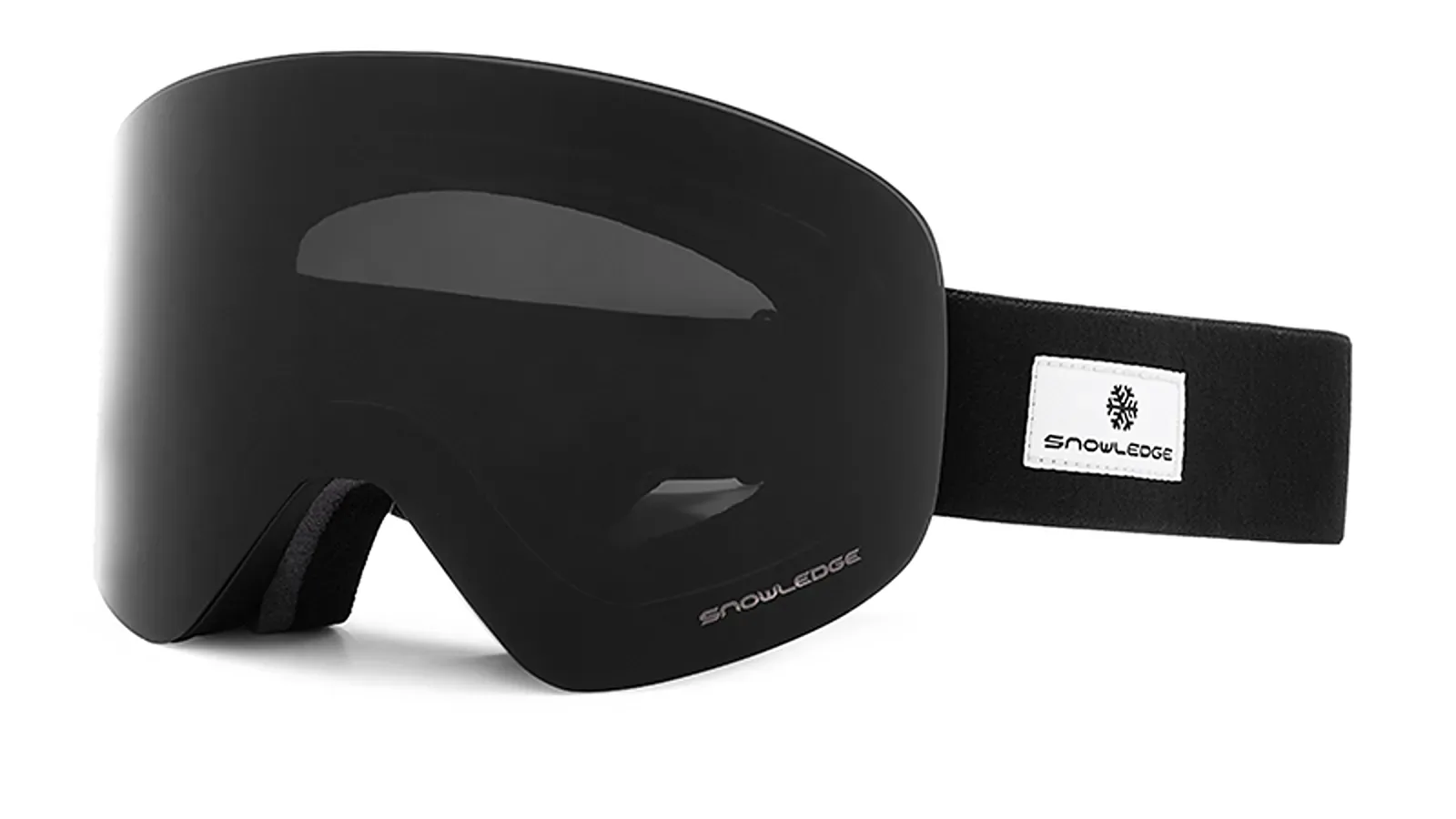
Ski goggles are full-face-seal optical systems engineered to protect against high-speed wind, driving snow, sub-zero temperatures, and physical impacts during downhill descents. Explore our engineered custom OEM ski goggles designed for extreme cold and high-velocity protection.
Key Functional Characteristics
- Dual-Pane Thermal Insulation: Modern ski goggles feature a dual-lens construction (outer polycarbonate and inner anti-fog cellulose propionate/acetate) separated by a sealed thermal air barrier. This structure minimizes the temperature differential between the warm face and freezing exterior air.
- Full Perimeter Foam Seal: Multi-layer open-cell and closed-cell face foam seals completely against facial contours, locking out wind chill, spindrift, and high-speed airflow.
- Category 1 to 3 Variable Optics: Ski goggles operate across a broader spectrum of VLT (10% to 65%) to accommodate flat light, overcast storm days, and variable mountain tree lines.
- Impact Resistance & Helmet Integration: Engineered with flexible TPU frames and wide cylindrical, spherical, or toric lenses, goggles offer expansive peripheral vision and high-velocity impact protection verified under ISO 18527-1 / EN 174 safety protocols.
Technical & Performance Comparison Matrix
To evaluate how each system performs in technical backcountry conditions, consider the side-by-side engineering specifications below:
| Feature / Parameter | Glacier Glasses | 스키 고글 |
|---|---|---|
| Lens Category & VLT | Category 4 (3%–8% VLT) or Cat.3–4 Photochromic | Category 1–3 (10%–65% VLT) or Cat.1–3 Photochromic |
| UV & Glare Defense | Maximum: Blocks intense direct & lateral reflective glare | High: Full frontal UV coverage, moderate high-altitude dark tint |
| Uphill Anti-Fog Performance | Exceptional: Open perimeter allows continuous heat escape | Prone to Fogging: Heavy perspiration quickly overwhelms foam vents |
| Downhill Wind & Cold Protection | Moderate: Air gaps can cause tearing at speeds >35 km/h | Superior: Complete seal prevents windburn and eye freezing |
| Weight & Packability | 30g – 45g (Compact pocket/harness carry) | 130g – 170g (Requires hardcase or helmet mounting) |
| Primary Frame Materials | High-durability TR90 / Grilamid, Leather/TPU side shields | Flexible cold-resistant TPU, triple-layer foam, silicone strap |
The Functional Verdict: Why Ski Tourers Carry Both
In real-world alpine ski touring (skimo and backcountry freeride), experienced mountain athletes and certified mountain guides (recommended by the UIAA Medical Commission) do not choose one over the other—they utilize a dual-eyewear system.
The Uphill Leg: Ascents & Skinning
Skinning uphill at steep angles generates substantial cardiovascular heat and perspiration. Wearing sealed ski goggles on the ascent traps moist vapor inside the chamber, instantly saturating the anti-fog coating and causing blinding fog. Glacier glasses are the undisputed choice for the ascent, providing open ventilation, lightweight all-day comfort, and total Cat.4 protection against intense glacier glare.
The Downhill Leg: Descent & High-Speed Transitions
At the summit transition, body output drops while descent speeds reach 40 to 80 km/h in sub-zero wind chills. Glacier glasses allow cold air currents around the eye orbits, causing involuntary tearing, reduced depth perception, and frostbite risks. Ski goggles are non-negotiable for the descent, creating an airtight thermal shield with wide-angle clarity.
OEM/ODM Sourcing Guide: How Eyewear Brands Should Plan Alpine Lines
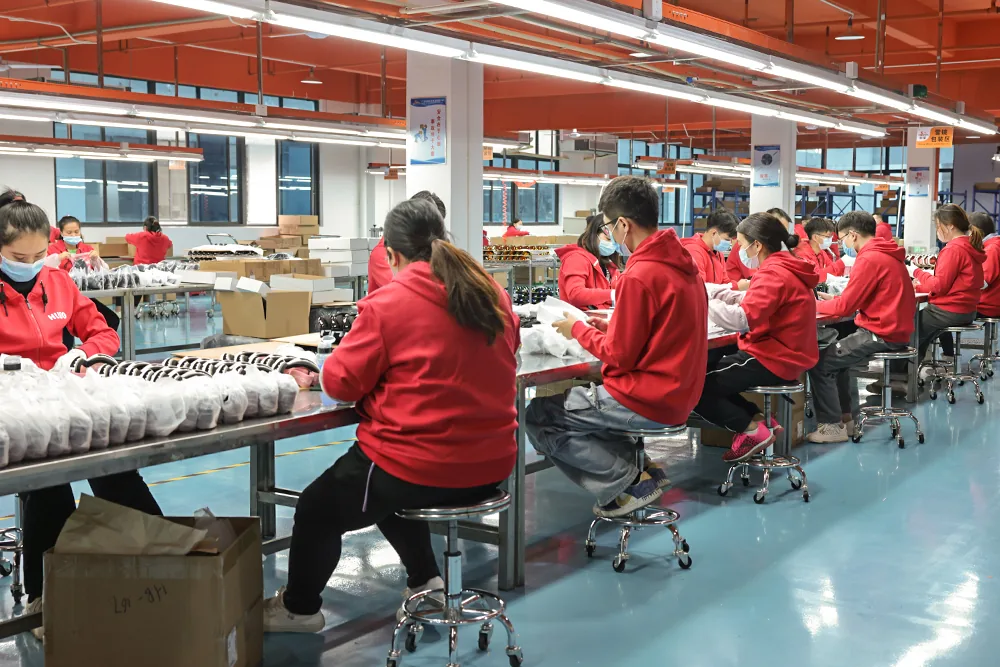
For sports eyewear brands, distributors, and e-commerce companies, launching an alpine eyewear line offers significant cross-selling and margin advantages. Learn more about our custom sports eyewear manufacturing capabilities to understand precision injection and coating processes:
A. Harmonized Lens Technologies
Create visual and functional synergy across your product lines by utilizing matching lens treatments:
- Photochromic Transitions: Source adaptive lenses that shift from Cat.2 (overcast) to Cat.4 (blinding glacier light) in under 30 seconds for all-in-one alpine sunglasses.
- Hydrophobic & Oleophobic Coatings: Ensure exterior lens surfaces repel snowmelt, rain, and fingerprint smudges.
- Anti-Fog Hydrophilic Coatings: Specify premium Japanese or German anti-fog coatings on inner goggle lenses (exceeding EN 168 8-second benchmarks).
B. Modularity & Custom Tooling
Modern consumers demand versatile aesthetics. In glacier glasses, specify removable side shields (utilizing magnetic latches or mechanical snap-fits). A prime commercial example is our flip-up sunglasses with detachable side shields, engineered with high-impact modular clips that transition instantly between high-glacier protection and casual lifestyle use.

C. International Compliance & Testing Protocols
Before placing wholesale orders, verify that your manufacturer provides verifiable test reports for your target markets:
- Sunglasses Standard: ISO 12312-1 / ANSI Z80.3 / AS/NZS 1067.1 (UV400 verification, Cat.4 labeling, optical clarity class 1).
- Goggles Standard: ISO 18527-1 / EN 174 (High-mass impact resistance, mechanical strength at -20°C, thermal insulation).