When choosing ski goggles, many skiers look first at the visible details: color, mirrored finish, and price. The problems usually show up later, on the mountain—cold air leaking in, pressure on the face, fogging, or a distorted view. Looks matter, but fit and construction usually matter more. Here are six details worth checking before you buy.
1. Face Fit and Seal
Asian vs. European Fit
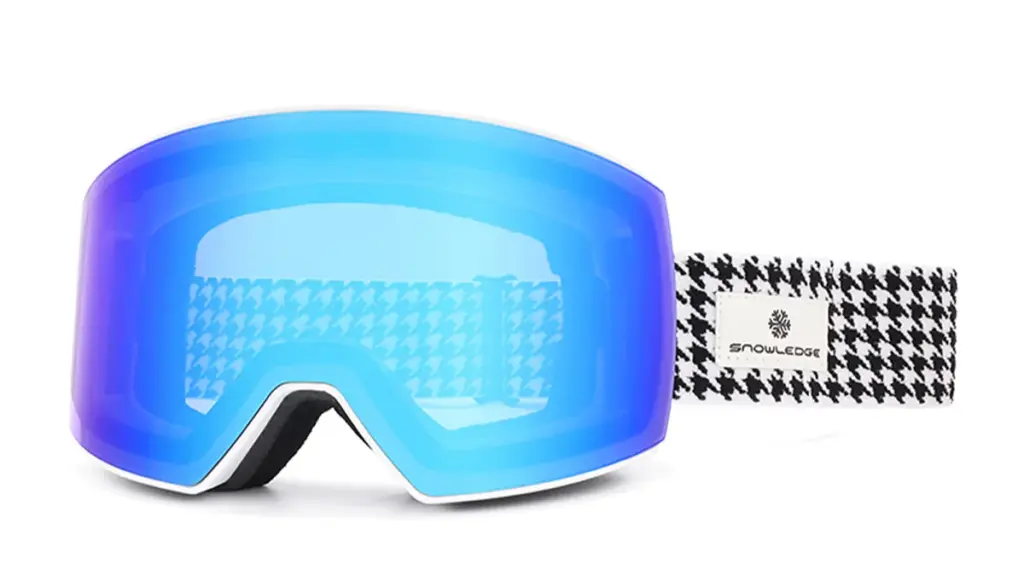
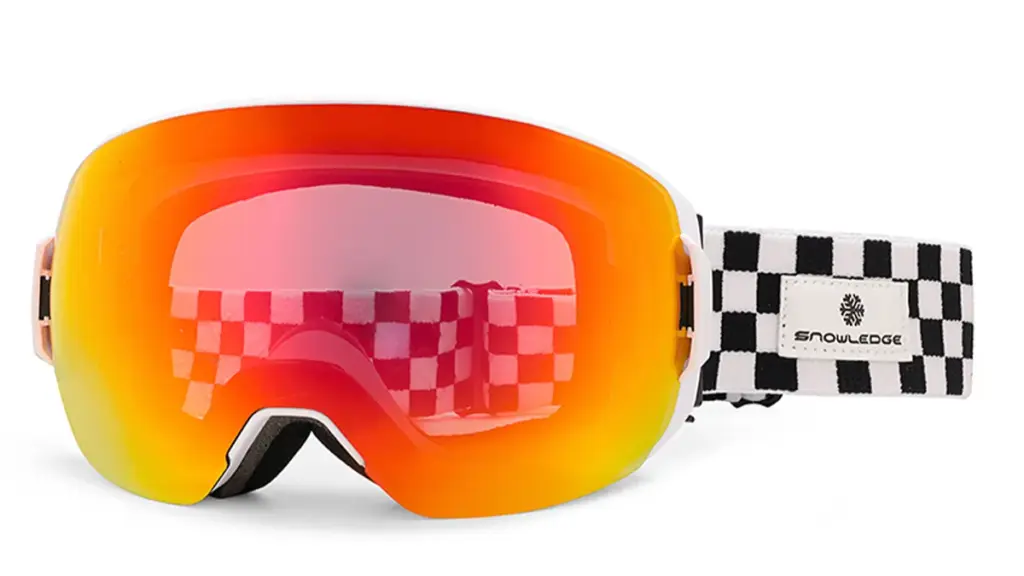
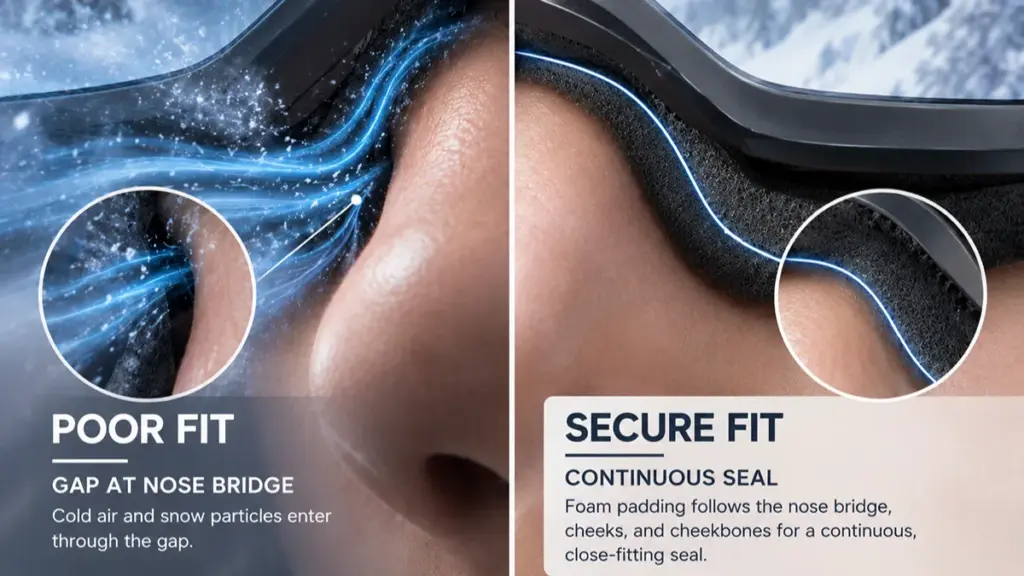
Start with the fit: Asian or European, and how well the goggles seal to your face. European-fit goggles are shaped for facial features commonly associated with Western faces, including higher nose bridges and deeper-set eyes, so the nose opening is often cut higher. On many Asian faces, that leaves a gap around the nose.
What to Check When Trying Them On
Cold air and snow can get into the goggle chamber, which may leave your eyes dry and watery and can worsen fogging. Look for Asian-fit models with more foam around the nose bridge and contours that follow the cheeks, cheekbones, and temples. When trying them on, the foam should contact your skin all around, with no lifting at the edges. The goggles should not press hard on the nose bridge or cheekbones, or leave deep marks after prolonged wear. A tight seal and excessive facial pressure are not the same thing.
2. Light Transmission Matters More Than Lens Color
Check the VLT Rating
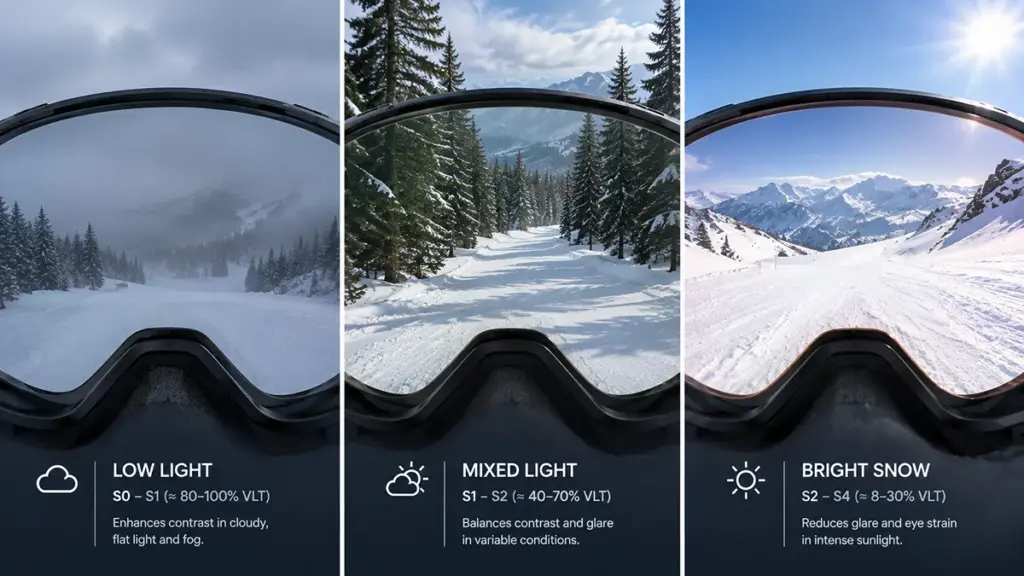
Do not choose a lens by color alone. Check its VLT (Visible Light Transmission) rating. Beginners sometimes assume that darker lenses provide more protection, but the coating color is mostly a matter of appearance. VLT determines how much light reaches your eyes.
Dark, mirrored lenses can be too dim on overcast or foggy days, making snow pits and ice crevices harder to see. Light-colored lenses may not cut the glare on sunny days.
Choose the Right Transmission Range
Choose according to the conditions you normally ride in: S0/S1 high-transmission lenses suit overcast days and night skiing; S2 is a versatile choice for cloudy weather and tree runs; S3 lenses are intended for open, sunny terrain; and S4 is for extremely bright environments such as glaciers. The transmission rating in the product specifications matters more than the lens color.
3. Foam Construction
Foam Layers and Face Seal
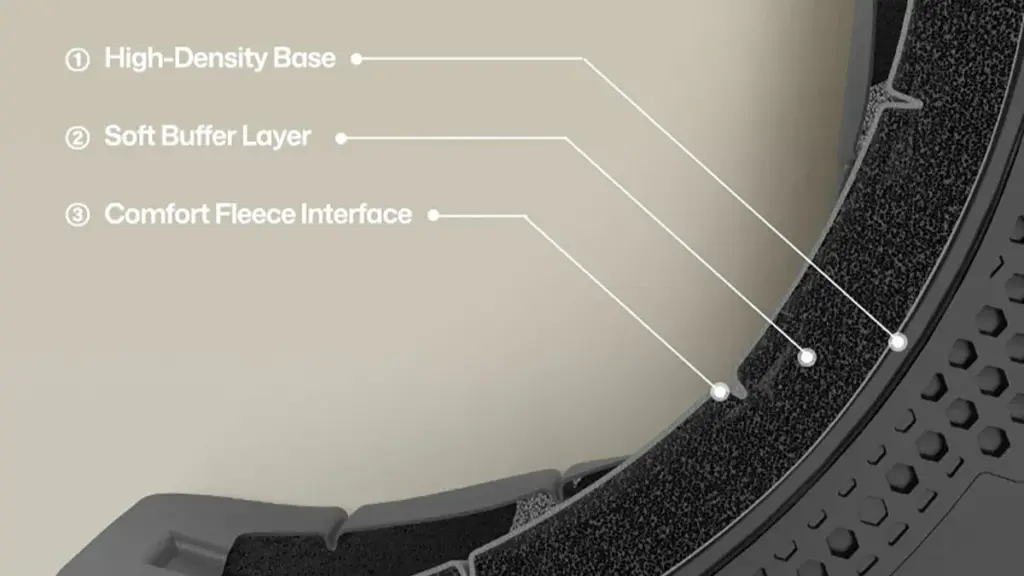
Foam material and construction affect both the seal and anti-fog performance. Many buyers focus on the lens and overlook the foam against the face. Cheap goggles often use one thin layer of low-resilience foam that flattens after only a few uses, weakening the seal. Better goggles usually have multi-layer, high-density foam: an inner layer that is skin-friendly and breathable, and an outer layer that supports the frame.
Airflow and Skin Contact
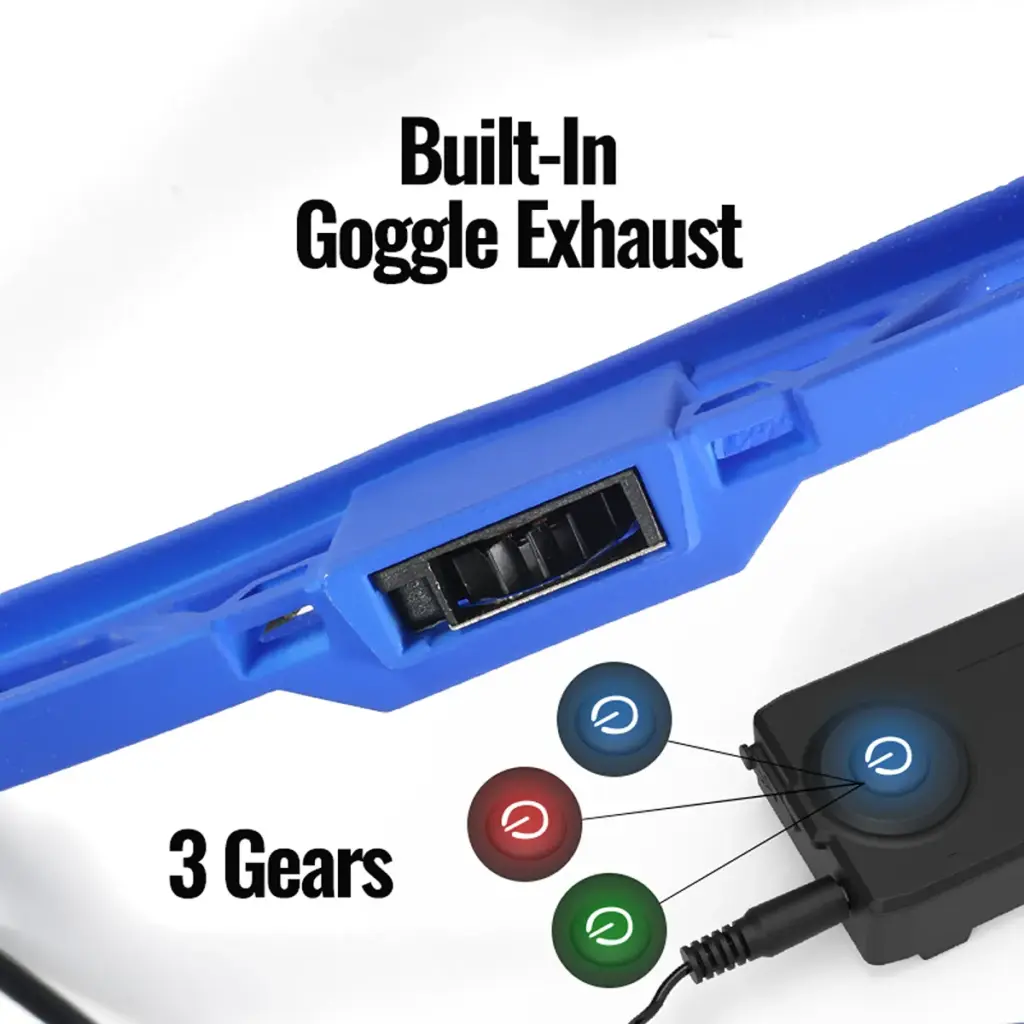
Also check the airflow design. The foam should not block the frame’s ventilation ports. If it does, moisture cannot escape, and even dual-pane goggles may fog frequently. A skin-friendly, hypoallergenic foam can also help prevent redness or itching when it stays against sweaty skin for long periods.
4. Helmet Compatibility
Check the Frame and Strap Together
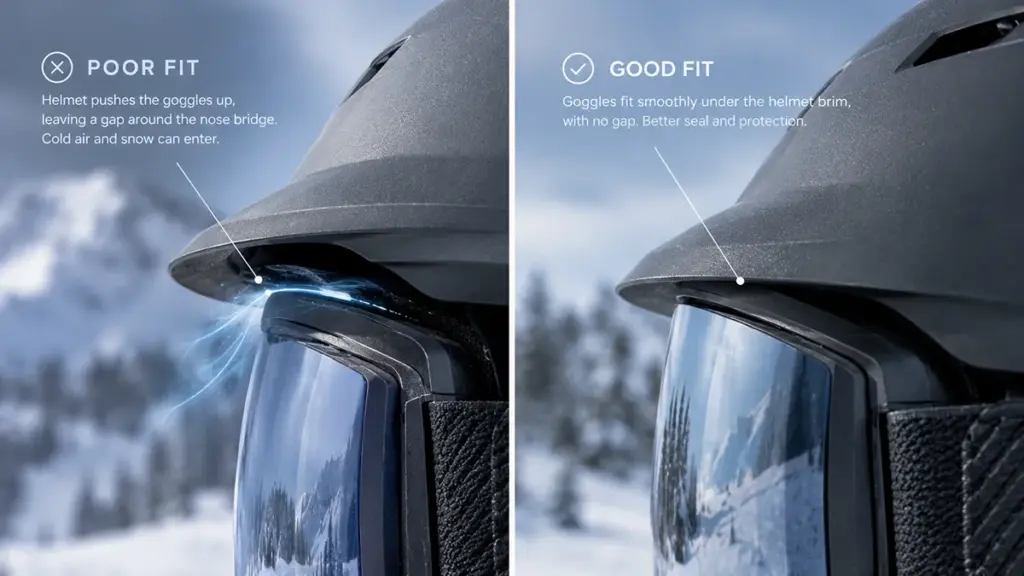
Goggles also need to work with your helmet. A pair may feel comfortable on its own, then get pushed upward when the helmet is on, leaving a gap for cold air. Try the goggles with your helmet, or at least check how the two are meant to fit together. A well-designed pair has a beveled upper frame that sits neatly under the helmet’s brim without lifting or creating drafts. The strap’s anti-slip texture matters too. Helmet interiors are smooth, so a strap without enough grip can slide down on bumpy runs and disturb the seal.
5. Optical Distortion
A Clear View Matters More Than Maximum Width
Check optical distortion instead of chasing the widest possible field of view. A wide view is a common selling point, but some low-cost, large cylindrical lenses have poor optical calibration and produce distortion near the edges. When you shift your peripheral vision while riding, warped scenery can lead to dizziness and eye fatigue.
A Simple Distortion Test
To test a pair, look at a straight-edged object and move your gaze toward the edge of the lens. If the lines bend noticeably, distortion control is poor. A sufficient field of view is enough; a clear, undistorted image matters more than having the largest lens.
6. Ventilation
Dual-Pane Lenses Reduce Fogging, But Do Not Prevent It
Finally, look at the ventilation system. Dual-pane lenses reduce temperature differences, but they do not make goggles fog-proof. Moisture removal depends on the vents along the top and bottom of the frame. If those vents are too small or blocked by foam, fogging can still happen during hard riding, even with dual lenses.
When Active Heating May Help
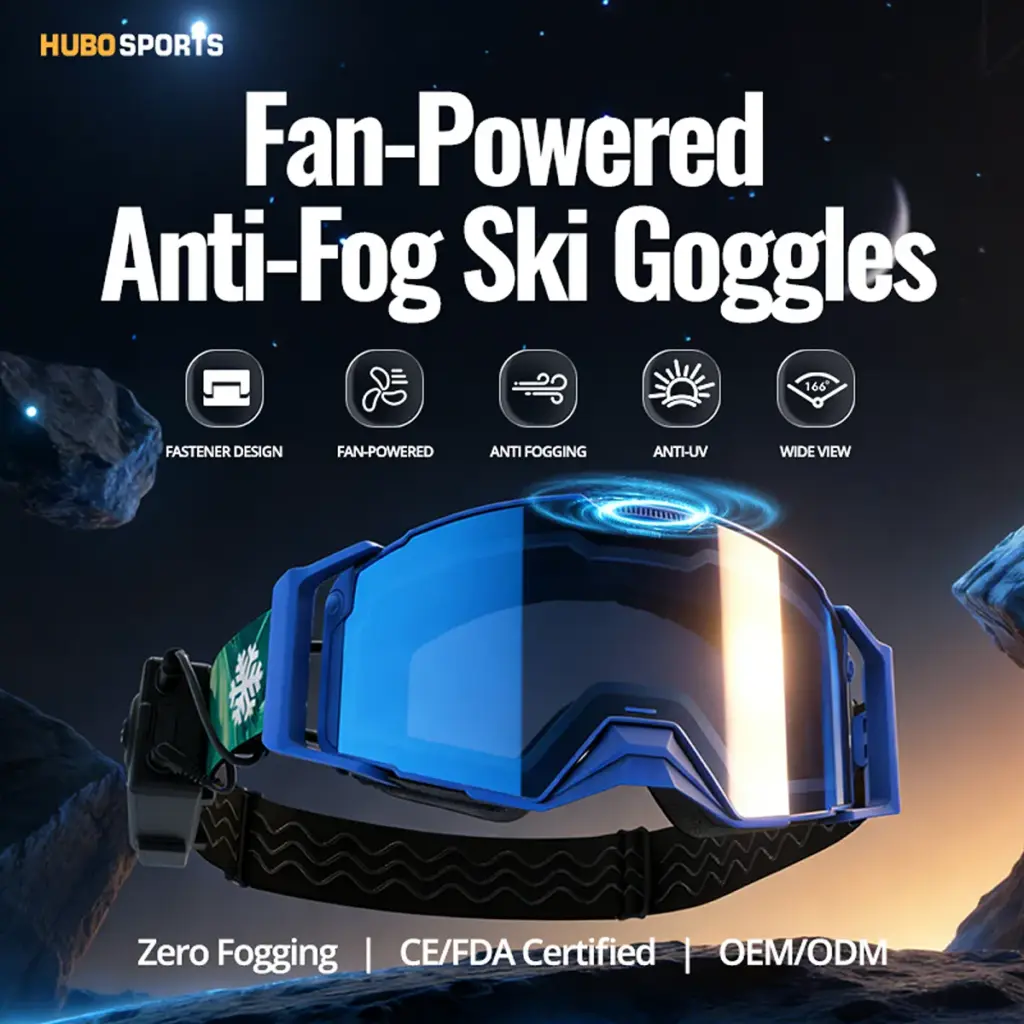
For normal resort conditions, convection ventilation is usually enough. If you often ride in extreme cold below -15°C and high humidity, such as in backcountry powder, passive ventilation has limits. In that case, consider a model with active electric heating for defogging.
خاتمة
Appearance can be part of the decision, but it should not be the main one. Check these six points: face fit, light transmission, foam, helmet compatibility, optical quality, and ventilation. They have more to do with how goggles perform on the mountain than the color or finish does, and they help you choose a pair that matches your riding habits.