
Choosing, Using, and Protecting Them for Optimal Skiing Vision.
Clear visibility during skiing not only determines your sliding experience but also impacts safety. Proper snow goggles are essential equipment, and selecting the right lenses, implementing fog prevention measures, and applying correct protective gear are crucial for maximizing their performance. This comprehensive guide covers everything from lens selection to daily maintenance, enabling beginners to quickly master snow goggles usage.
Precise lens selection for different weather conditions
Low-light environments (overcast days, early morning/dusk, night scenes)
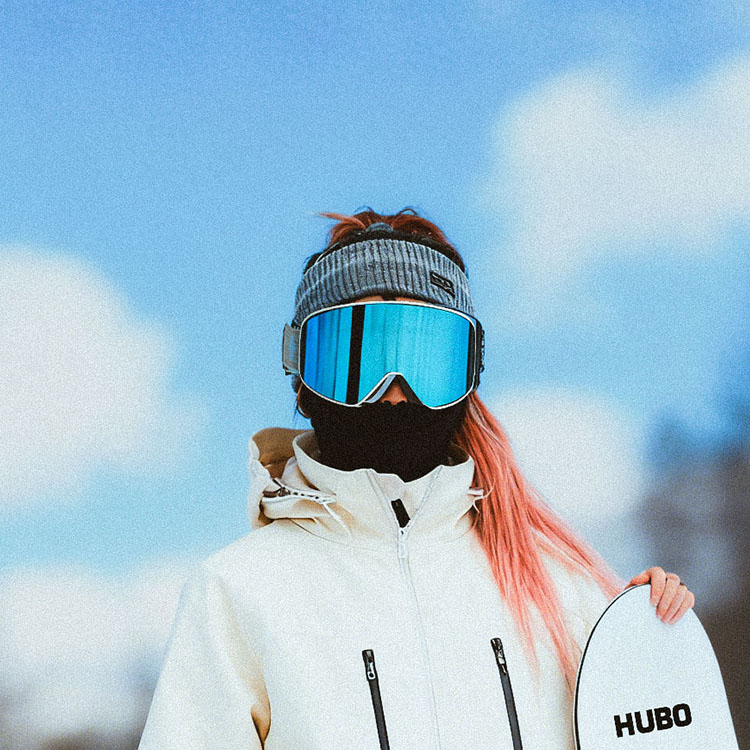
Select high-transmittance non-plated lenses such as yellow, transparent, light pink, or orange lenses. These lenses effectively enhance overall field of view brightness, improve contrast of snow surface contours, and ensure clear visibility of details like snowdrifts and snowpack on slopes, thereby preventing misjudgments due to blurred vision.
Intense light conditions (sunny days with full midday sunlight)
Opt for low-transmittance lenses such as dark gray or various electroplated color variants. Electroplated lenses effectively block glare from snow surfaces, while dark gray lenses filter intense light while preserving true color reproduction, reducing visual fatigue and protecting eyes from harsh light exposure.
Practical tip
Always carry one spare lens. During skiing, rapid weather changes (e.g., sudden overcast after sunny skies or clear skies after cloudy conditions) allow immediate lens replacement for continuous and optimal eye protection.various nasal shapes and can be embedded with myopia lenses, ensuring full-face comfort and compatibility.
Solving the Lens Fogging Problem
Ski goggle fogging is mainly caused by temperature differences that make internal moisture condense on the lens. Proper use can fully prevent this issue.
Do not place goggles on your forehead or helmet top.Head heat quickly warms the goggle interior, and sudden cold exposure causes instant fogging.Keep goggles on your face at all times, even in lines or on chairlifts, to keep the lens dry.
Four Practical Methods for Fog Prevention
1. Seamless Fit Between Helmet and Snow Goggles
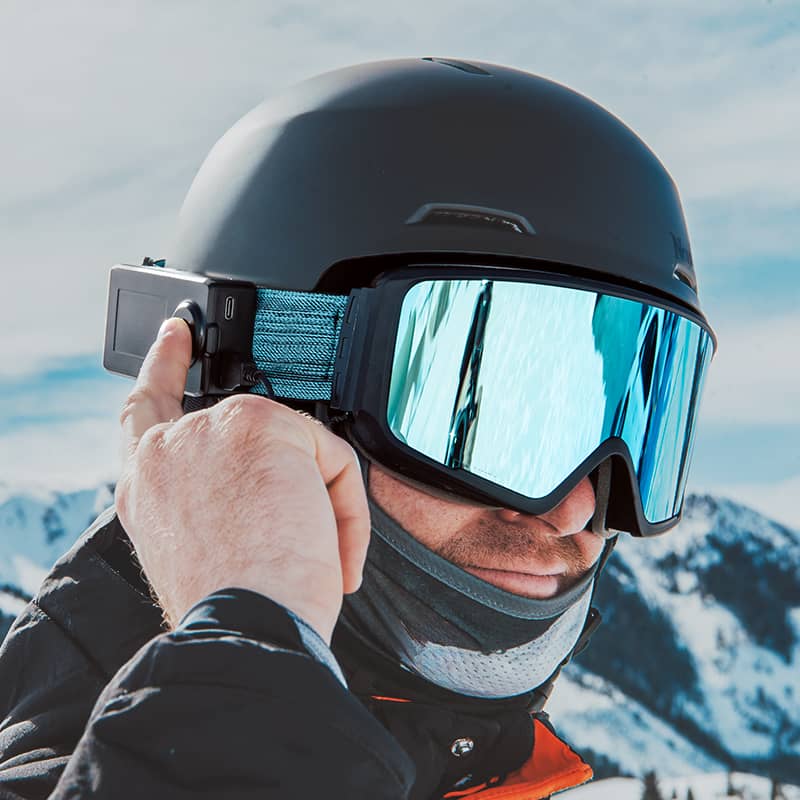
Adjust the snow goggle straps and frame for a tight, gap-free seal against your helmet.This blocks snow intrusion, prevents cold air exchange and heat loss, and minimizes condensation.A key technique for ensuring interior dryness and effective anti-fog performance.
2. Utilize body temperature for rapid defogging
If snow goggles fog up while riding, stop immediately and take them off. Remove the goggles and place them inside your jacket in a warm spot (underarms or inner chest) for 2–3 minutes. Body heat will warm the lenses and evaporate the internal moisture. This reliable emergency method effectively restores clear vision.
3. Thorough drying after skiing
After each day of skiing, always remove your goggles from your backpack and air – dry them in a well – ventilated, dry area. Leaving damp goggles inside the backpack traps moisture, which can cause immediate fogging during your next use and may even result in mold growth.
4. Select professional anti-fog snow goggles
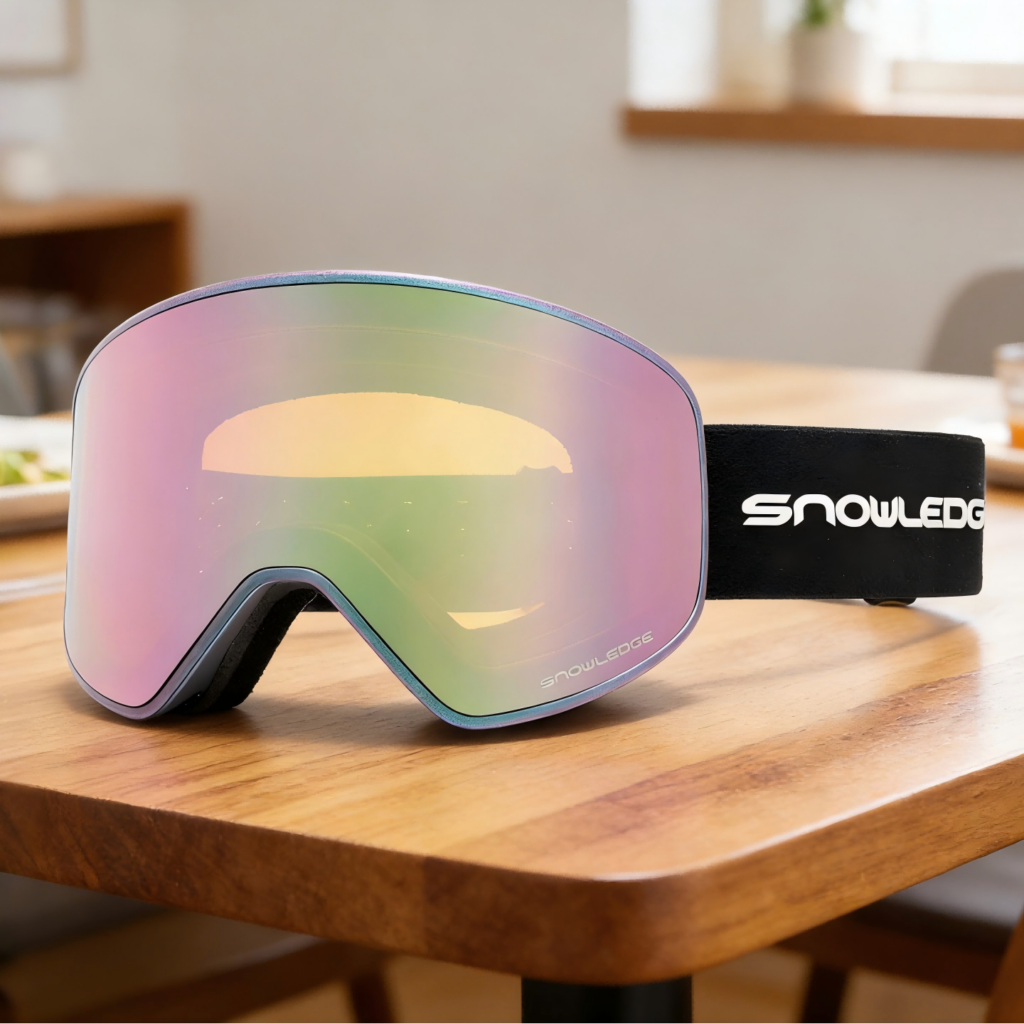
When purchasing snow goggles, prioritize models equipped with double – layer anti – fog lenses, nano anti – fog coating, and ventilation valves. These features effectively reduce the buildup of condensation, helping to prevent fogging at the source.
For Myopia Users: Wearing Ski Goggles Without Hassle
Ski Goggles Wear Without Pitfalls. Myopic individuals no longer need to worry about wearing ski goggles, as two methods are designed to balance clear vision and comfortable fit, completely eliminating the awkward situation of ‘forcing prescription glasses into ski goggles.
1. Customized dedicated myopic inserts(OTG)
This is the optimal solution.Myopia inserts can be custom made to match your prescription and ski goggle model through professional ski gear websites or physical stores.
The insert fits perfectly inside the goggles, forming an integrated structure that delivers an unobstructed field of vision with no pressure on the nose.Compared with wearing regular glasses under ski goggles, this setup is far more comfortable, and also avoids air leakage and fogging caused by eyeglass frames.
2. Select snow goggles compatible with frame glasses
If you prefer not to use custom prescription inserts, choose snow goggles specially designed for myopia sufferers.They offer a larger inner space and lens-side perforated foam, allowing regular glasses to fit comfortably inside while ensuring a tight seal and reducing air leakage.
Important note: Avoid wearing only contact lenses when skiing.Strong cold wind, snow splash, and high UV radiation on the slopes can irritate the cornea and increase the risk of eye discomfort or injury.
Tip: Avoid wearing contact lenses alone while skiing, as the cold wind, snowfall, and ultraviolet radiation at ski resorts may irritate the cornea and increase the risk of ocular discomfort.
Daily Maintenance of Snow goggles to Extend Service Life
The lenses and frames of snowglasses are prone to wear and tear. Proper protection and storage methods can prevent scratches on the lenses and aging of the straps, ensuring that snowglasses remain in optimal condition over the long term.
1.Carry dedicated protective cases
Always use a cloth bag/hard protective case for ski goggles during skiing. When goggles become contaminated with snow or water stains, gently wipe them with a soft cloth bag (avoid using paper towels or towels for hard wiping as this may cause scratches). When not wearing goggles, immediately place them into the protective case to prevent lens scratches or compression during transportation and storage.
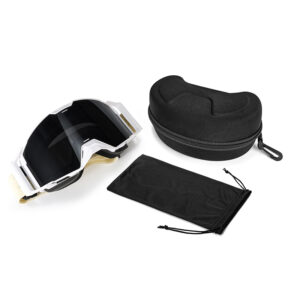
2. Natural drying and avoidance of artificial intervention
If water ingress or fogging occurs inside the snow goggles, allow natural air drying only. Avoid using hair dryers, direct heat, or manual rubbing of the inner lenses high temperatures may damage the anti-fog coating, while manual rubbing can leave fingerprints and scratches, leading to loss of anti-fog efficacy.
3. Proper Storage to Prevent Damage
When storing snow goggles, avoid inserting straps into the lens compartment. The buckles and rigid rubber components on the straps may scratch the anti-fog coating, compromising performance. When not in use, refrain from prolonged stretching of the goggles over the helmet, as this accelerates elastic aging and wear on the straps, leading to loosening and reduced head fit. Always remove the goggles and store them separately in a protective case.
4. Avoid contact with chemical substances
Do not use alcohol, dish soap, or other chemical cleaning agents to wipe the lenses, as these substances may damage the anti-fog and scratch-resistant coatings. Cleaning should be performed by gently rinsing with clean snow water or water, followed by drying with a cloth bag.
خاتمة
The core principles for using ski goggles can be summarized into three key points: selecting lenses suitable for weather conditions, ensuring proper sealing to prevent fogging, and performing gentle maintenance to avoid damage. Whether for beginners or experienced skiers, mastering these techniques allows ski goggles to maintain clear visibility consistently, thereby enhancing safety and comfort during each skiing session.